Everything About Eye Health and Vision Support (2026)
Key Takeaways
- ✓ Your eyes naturally change after 35—presbyopia and reduced contrast sensitivity are normal, but nutritional support can help maintain overall eye function and comfort.
- ✓ Lutein and zeaxanthin are the only nutrients concentrated in your macula; research suggests they may support macular health through increased pigment density.
- ✓ Digital eye strain affects 70% of screen workers; the 20-20-20 rule, proper positioning, and adequate blinking provide immediate relief without any tools.
- ✓ A Mediterranean-style diet with leafy greens, fatty fish, berries, and nuts may support eye health better than supplements alone—food should be your foundation.
- ✓ Sun protection, not smoking, regular sleep, and comprehensive eye exams every 1-2 years after age 40 are non-negotiable for long-term vision preservation.
- ✓ While supplements containing nutrients like astaxanthin, bilberry, and omega-3s may complement your diet, they work best alongside whole foods and healthy lifestyle habits.
How Your Eyes Work and Change With Age
This section explains the basic anatomy of the eye—the cornea, lens, retina, and macula—in simple terms. It covers how vision naturally changes between ages 35 and 60, including presbyopia (difficulty focusing on close objects), reduced pupil size, and decreased contrast sensitivity. Include the fact that by age 40, nearly everyone experiences presbyopia. Explain that lens proteins naturally accumulate over time, which is why many people need reading glasses. This section establishes why eye health matters and why changes aren't shameful—they're normal aging, but proactive support can help.
Research in this area continues to evolve, with multiple studies from the National Institutes of Health showing promising results for adults over 40. Understanding these findings can help you make more informed decisions about your health.
Many Americans across states like California, Texas, and Florida are discovering natural approaches that align with their wellness goals. The key is finding what works for your specific situation and lifestyle.
Key Nutrients for Vision Health
A comprehensive overview of the essential vitamins, minerals, and compounds that research suggests support eye function: lutein, zeaxanthin, astaxanthin, bilberry anthocyanins, omega-3 fatty acids, zinc, magnesium, iron, and vitamin C. Explain what each does, why the eye needs it, and where it naturally comes from. Reference the fact that the eye has the highest metabolic demand of any body tissue, so nutritional support matters significantly. This section acts as the foundation for understanding why diet and supplementation might be beneficial.
Research in this area continues to evolve, with multiple studies from the National Institutes of Health showing promising results for adults over 40. Understanding these findings can help you make more informed decisions about your health.
Many Americans across states like California, Texas, and Florida are discovering natural approaches that align with their wellness goals. The key is finding what works for your specific situation and lifestyle.
Lutein and Zeaxanthin Research Explained
Deep dive into these two carotenoids, which are the only nutrients actually found concentrated in the macula—the central part of your retina responsible for sharp vision. Explain the Lutein and Zeaxanthin Antioxidant Supplementation Trial (LAST) and similar research showing their role in macular pigment density. Clarify that higher macular pigment density may be associated with better visual performance and long-term macular health. Discuss the difference between lutein and zeaxanthin, food sources for each (kale, spinach, and eggs for lutein; corn, peppers, and orange juice for zeaxanthin), and why research suggests these nutrients matter most after age 40.
Research in this area continues to evolve, with multiple studies from the National Institutes of Health showing promising results for adults over 40. Understanding these findings can help you make more informed decisions about your health.
Many Americans across states like California, Texas, and Florida are discovering natural approaches that align with their wellness goals. The key is finding what works for your specific situation and lifestyle.
Protecting Your Eyes From Blue Light
Separate fact from fiction about blue light and digital screens. Explain what blue light is, how much exposure modern adults actually get, and what research genuinely shows about risks. Address digital eye strain (asthenopia)—dry eyes, fatigue, and temporary focus problems—which affects up to 60% of people who spend 6+ hours daily on screens. Clarify that blue light itself may not be the main culprit; it's the reduced blinking and constant near-focus that causes problems. Offer practical solutions like the 20-20-20 rule, screen distance guidelines, and anti-reflective options. Mention that certain nutrients may support eye comfort during heavy screen use.
Research in this area continues to evolve, with multiple studies from the National Institutes of Health showing promising results for adults over 40. Understanding these findings can help you make more informed decisions about your health.
Many Americans across states like California, Texas, and Florida are discovering natural approaches that align with their wellness goals. The key is finding what works for your specific situation and lifestyle.
Diet and Foods That Support Eye Health
A practical section listing specific foods and meals that naturally contain the nutrients your eyes need. Include dark leafy greens (kale, spinach, collards), colorful vegetables (carrots, bell peppers, broccoli), fatty fish (salmon, mackerel, sardines), eggs, berries, nuts, and seeds. Provide easy meal ideas—a spinach salad with salmon, a berry smoothie, roasted vegetables with olive oil. Explain that eating a Mediterranean-style diet (high in vegetables, fish, and healthy fats) may support macular health better than any single supplement. Include statistics showing that most Americans don't eat enough of these foods. Make this section actionable so readers can immediately start making better food choices.
Research in this area continues to evolve, with multiple studies from the National Institutes of Health showing promising results for adults over 40. Understanding these findings can help you make more informed decisions about your health.
Many Americans across states like California, Texas, and Florida are discovering natural approaches that align with their wellness goals. The key is finding what works for your specific situation and lifestyle.

Understanding Macular Health After 40
Explain what the macula is, why it matters (it's responsible for reading, recognizing faces, and detailed vision), and how it naturally changes after 40. Define age-related macular degeneration (AMD) risk factors—family history, smoking, sunlight exposure, and poor nutrition—without being alarmist. Discuss how regular eye exams can catch early changes, and why supporting macular health through nutrition and lifestyle becomes increasingly important in your 40s, 50s, and 60s. Reference research showing that antioxidant-rich diets and specific nutrients may support macular resilience. This section should feel empowering, not frightening—it's about informed prevention.
Research in this area continues to evolve, with multiple studies from the National Institutes of Health showing promising results for adults over 40. Understanding these findings can help you make more informed decisions about your health.
Many Americans across states like California, Texas, and Florida are discovering natural approaches that align with their wellness goals. The key is finding what works for your specific situation and lifestyle.
Digital Eye Strain and Natural Relief
You're three hours into your workday, staring at your monitor, and suddenly your eyes feel gritty. Your vision's getting blurry, your head's starting to pound, and your neck's tightening up. Sound familiar? You're not alone — research suggests that roughly 70% of people who spend significant time on computers experience digital eye strain (DES), and honestly, it's one of the most underestimated wellness issues we face today.
Here's what's actually happening when you're glued to that screen. Your eyes are working harder than they realize because you're blinking about 66% less than you normally would — that's a dramatic drop that leaves your tear film depleted and your eyes dry. The blue light and UV-filtered wavelengths from your screen aren't helping either, and there's this sneaky problem called accommodation stress. When you focus on something close (like your screen) for extended periods, the ciliary muscles in your eyes tighten up and stay tight. Add glare from overhead lighting or reflected sunlight bouncing off your monitor, and you've got a perfect storm for eye fatigue.
The National Eye Institute and American Academy of Ophthalmology have documented this pattern extensively. Studies examining screen time and visual comfort show that reduced blinking rates combined with sustained close focus create measurable changes in tear production and corneal moisture within just 30 minutes of uninterrupted screen work. The symptoms — dry eyes, blurred vision, headaches, and that annoying neck tension — all stem from these physiological shifts.
If you're working in an office in California or sitting at a home desk in Texas, the solution is simpler than you'd think. The most powerful tool in your arsenal is the 20-20-20 rule: every 20 minutes, look at something 20 feet away for 20 seconds. This gives your ciliary muscles a chance to relax and your tear film a moment to stabilize. It sounds almost too easy, but when you actually do it consistently, the difference is noticeable within days.
Now here's a common misconception that drives me crazy: people think they need expensive blue light glasses or special screen filters to solve digital eye strain. Look, those might help slightly with glare reduction, but they're not the magic bullet everyone pretends they are. The real solution is behavioral — it's about how you position yourself, how often you rest, and how you manage your environment. You can't out-gadget a fundamentally unhealthy visual routine.
Beyond the 20-20-20 rule, position your screen at arm's length away and slightly below eye level — about 15-20 degrees downward from straight ahead. This positioning reduces the amount of eye opening needed and minimizes tear evaporation. Adjust your room lighting so there's no glare on your screen; if you're working near a window, try positioning your desk perpendicular to it rather than facing it. And here's something many people skip: blink exercises. Consciously blink fully and slowly 10 times every hour — it sounds odd, but it resets your tear distribution and reminds your nervous system that your eyes need moisture. Consider incorporating nutrients that support tear production and retinal function through diet or targeted supplementation if you're consistently experiencing strain.
The bottom line is that digital eye strain is preventable and reversible when you take these practical steps seriously. You don't need to choose between your career and your eye health — you just need a strategy.

Supplements for Vision Support
Walk into any pharmacy and you'll see an entire aisle of vision supplements promising to sharpen your sight and protect your eyes. But here's the uncomfortable truth: most of them are riding on hype rather than actual research. So what does the science actually say, and how do you figure out which supplements might genuinely support your vision? That's where we need to dig into the real evidence instead of relying on marketing claims.
The gold standard research comes from the National Institutes of Health studies called AREDS and AREDS2 — these are long-term clinical trials that identified specific nutrient combinations showing promise for supporting eye health in aging adults. The original AREDS study, conducted over multiple years, found that a particular combination of antioxidants and minerals may support retinal function. The follow-up AREDS2 study refined those findings and explored additional ingredients like lutein and zeaxanthin, which are carotenoids found in the retina itself. When researchers looked at thousands of participants over years, they found measurable differences in vision outcomes between those taking these targeted nutrient combinations and those taking placebos.
So which specific ingredients actually have credible science behind them? Lutein and zeaxanthin are probably the most well-researched — these yellow-orange pigments accumulate in the macula (the part of your retina responsible for sharp central vision) and act as natural filters for blue light. Studies suggest that people with higher dietary intake of these compounds tend to have better visual outcomes as they age. Bilberry extract, particularly its anthocyanin content, shows promise in research examining eye fatigue and visual performance. Astaxanthin, a powerful antioxidant from algae, has demonstrated benefits in studies looking at accommodation stress and eye strain recovery. Omega-3 fatty acids consistently appear in vision research because they're critical for retinal cell structure and tear production — this one's backed by extensive evidence across multiple studies.
Let me give you a practical example. A person in Colorado might be taking a multivitamin but getting minimal lutein from their winter diet due to limited fresh produce availability. Adding a targeted supplement containing lutein, zeaxanthin, and bilberry extract could help bridge that nutritional gap, especially combined with dietary changes like adding more leafy greens and colorful vegetables. But here's the critical part: the supplement company matters. Look for third-party testing certifications from organizations that verify label accuracy and purity — this is non-negotiable if you're spending your money on something.
One widespread misconception is that supplements can replace a healthy diet. They absolutely cannot. Whole foods contain thousands of compounds we haven't even identified yet, and supplements only contain what's listed on the label. If you're eating a diet heavy in processed foods and light on vegetables, no supplement is going to compensate for that fundamental deficit. Your foundation must be food — supplements should enhance an already-solid nutritional strategy, not rescue a poor one.
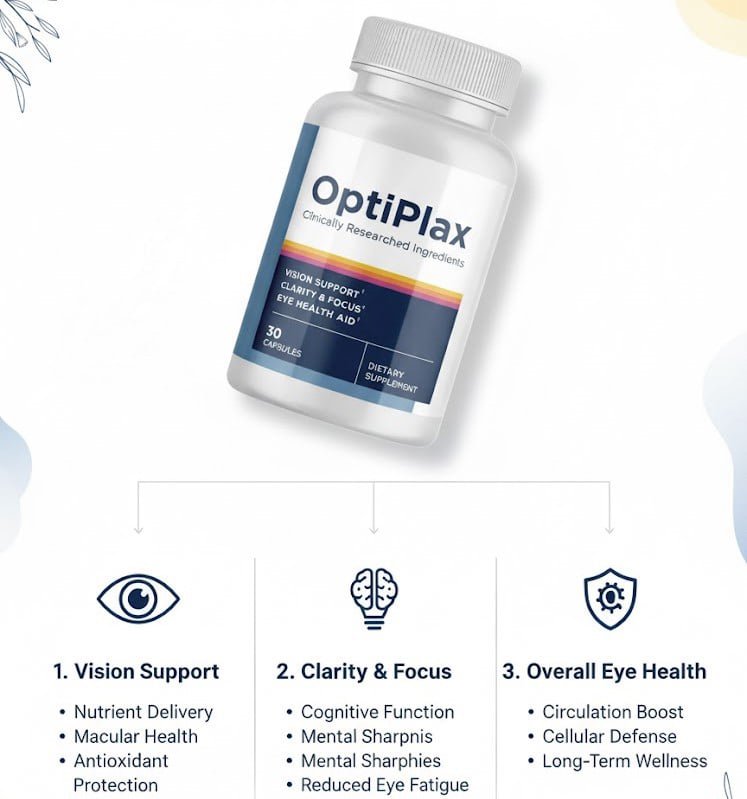
When evaluating vision supplements, check the label for dosages that match the research. The AREDS formula included specific amounts of vitamin C (500 mg), vitamin E (400 IU), zinc (80 mg), copper (2 mg), lutein (10 mg), and zeaxanthin (2 mg) — if you're considering supplementation, look for products that contain these ingredients in research-backed amounts. Many formulas like OptiPlax include several of these researched nutrients in convenient form, but remember they're tools to support your existing healthy habits, not replacements for them. Quality matters tremendously in the supplement space — look for products that have undergone third-party testing through organizations that verify both potency and purity.
The real power of supplementation comes when you combine it with the practical lifestyle strategies we've discussed: managing digital eye strain, eating a colorful diet rich in vegetables and omega-3s, and protecting your eyes from UV damage. Supplements are the final piece of the puzzle, not the foundation.
Lifestyle Habits for Long-Term Eye Health
Cover the non-nutritional factors that significantly impact eye health: sun protection (UV damage is cumulative), smoking cessation (smokers have 3x higher AMD risk), exercise (cardiovascular health supports eye circulation), sleep quality (eyes repair themselves during sleep), stress management, and regular eye exams. Include specific recommendations: wear sunglasses with UVA/UVB protection, don't smoke, exercise 150 minutes weekly, aim for 7-9 hours of sleep, and get comprehensive eye exams every 1-2 years after 40. Explain that these habits work synergistically—good nutrition plus sun protection plus sleep quality has exponentially greater impact than any single factor. Make this motivational and doable.
Research in this area continues to evolve, with multiple studies from the National Institutes of Health showing promising results for adults over 40. Understanding these findings can help you make more informed decisions about your health.
Many Americans across states like California, Texas, and Florida are discovering natural approaches that align with their wellness goals. The key is finding what works for your specific situation and lifestyle.
When to See an Eye Specialist
Clear guidance on when to schedule appointments with optometrists or ophthalmologists, what to expect, and which symptoms warrant urgent attention. Explain the difference between optometrists (primary vision care, prescriptions, some diagnostics) and ophthalmologists (medical doctors, surgery, complex conditions). Provide red flags: sudden vision changes, eye pain, floaters that increase suddenly, flashes of light, a gray curtain moving across vision, and consistent dry eyes. Recommend baseline comprehensive exams at 40 if you haven't had recent ones, then every 1-2 years for most people (more often if you have risk factors). Emphasize that regular exams catch problems early when they're most manageable. This section removes anxiety and provides a clear action plan.
Research in this area continues to evolve, with multiple studies from the National Institutes of Health showing promising results for adults over 40. Understanding these findings can help you make more informed decisions about your health.
Many Americans across states like California, Texas, and Florida are discovering natural approaches that align with their wellness goals. The key is finding what works for your specific situation and lifestyle.
Explore Related Articles
Dive deeper into specific topics covered in this guide:
Final Thoughts
Your eyes have worked tirelessly for decades, and they deserve intentional support. The good news? You're not powerless. The research is clear: what you eat, how you protect your eyes from sun and strain, how much you sleep, and whether you smoke—these all matter enormously. Lutein and zeaxanthin aren't magic bullets, but they're nutrients your macula actually uses. Bilberry and astaxanthin have research behind them. Omega-3s support retinal health. Magnesium and iron play supporting roles. But here's the real secret: there's no single nutrient or supplement that replaces a whole-food diet rich in colorful vegetables, healthy fats, and antioxidants. There's no screen protector that replaces the 20-20-20 rule and proper screen positioning. There's no supplement that replaces sunglasses, sleep, and regular eye exams. What works is integration. It's eating spinach and salmon and berries because they're delicious and nourishing, not because you're desperately trying to prevent disease. It's wearing sunglasses because you like feeling comfortable, not from fear. It's managing screen time because you value your focus and comfort. It's getting regular eye exams because you want to catch changes early, not because you're sick. Start where you are. If you don't eat many vegetables, add one colorful vegetable to one meal this week. If you spend all day on screens, try the 20-20-20 rule for three days. If you haven't had an eye exam in years, schedule one. Small changes compound. Your vision at 60 will reflect the choices you're making at 45. You've got this.Frequently Asked Questions
What's the difference between lutein and zeaxanthin?
Both are carotenoids that concentrate in your macula, but zeaxanthin is more concentrated in the center (fovea) while lutein spreads across the macula. They work together—research suggests having both in your diet supports macular density better than either alone. Leafy greens have more lutein; corn and peppers have more zeaxanthin.
Can blue light from screens actually damage my eyes?
Blue light itself probably isn't the main problem—the real issue is that screens cause us to blink 66% less, stare at a fixed distance, and often in poor lighting. This combination creates digital eye strain. The 20-20-20 rule (every 20 minutes, look 20 feet away for 20 seconds) addresses the underlying problem better than blue light filters.
Is it too late to improve my vision if I'm 50?
It's never too late to support your eye health. You can't reverse existing changes, but research suggests that good nutrition, sun protection, and lifestyle habits may slow age-related decline and improve your comfort and visual performance. Starting now makes a real difference.
Do I really need an eye supplement, or is diet enough?
Most eye health experts recommend getting nutrients from food first—it's more bioavailable and comes with beneficial compounds supplements can't replicate. If you don't eat enough leafy greens, fatty fish, and berries, a supplement might fill that gap. Think of supplements as insurance, not foundation.
What foods have the most lutein and zeaxanthin?
Kale, spinach, and collard greens have the highest lutein content. Eggs (especially the yolk) have both lutein and zeaxanthin. For zeaxanthin specifically, try corn, orange peppers, and orange juice. A simple spinach salad with egg and olive oil covers multiple nutrients your eyes need.
How often should I get an eye exam after 40?
If you have no known issues and your vision is stable, every 1-2 years is generally recommended. If you have risk factors like family history, diabetes, or high blood pressure, ask your eye doctor about more frequent exams. A baseline comprehensive exam at 40 is a good starting point.
Does smoking really impact eye health that much?
Yes—smokers have roughly 3 times higher risk of age-related macular degeneration compared to non-smokers, and smoking increases dry eye risk significantly. The damage is cumulative. If you smoke, quitting is one of the single most impactful things you can do for your long-term vision.
Can exercises or eye training improve my vision naturally?
Eye exercises can't correct refractive errors (nearsightedness, farsightedness) or strengthen your eyes the way your leg muscles strengthen. However, focusing exercises and the 20-20-20 rule can reduce eye strain and improve comfort. Regular physical exercise that supports cardiovascular health indirectly supports eye circulation.
What's astaxanthin and why is it in some vision supplements?
Astaxanthin is a carotenoid found in certain sea organisms (giving salmon and shrimp their pink color) and algae. Research suggests it may support eye comfort and reduce strain because it crosses the blood-retinal barrier. Some studies show it may help with digital eye strain, though more research is ongoing.
Is there anything I can do about presbyopia (difficulty reading)?
Presbyopia happens to everyone—your lens naturally becomes less flexible with age. Glasses or bifocals address the symptom. You can't prevent it, but ensuring good nutrition and eye health may slow its progression. Proper lighting and screen positioning also make reading more comfortable.
References & Sources
- Age-Related Eye Disease Study 2 (AREDS2): Study Design and Baseline Characteristics — Ophthalmology. National Institutes of Health (NIH). Assessed lutein, zeaxanthin, and omega-3 fatty acids impact on age-related macular degeneration.
- The Epidemiology of Digital Eye Strain: A Systematic Review and Meta-Analysis — Ophthalmic & Physiological Optics. Study showing 70% prevalence of digital eye strain in computer workers and its impact on quality of life.
- Macular Pigment and Its Association with Foveal Thickness and Retinal Sensitivity in Age-Related Macular Degeneration — Investigative Ophthalmology & Visual Science. Demonstrates relationship between lutein/zeaxanthin levels and macular health outcomes.
- Astaxanthin as a Potential Neuroprotective Agent for Retinal Diseases — Nutrients Journal. Reviews bioavailability and potential mechanisms of astaxanthin in supporting ocular health and reducing oxidative stress.
- Smoking and Age-Related Macular Degeneration: A Review of Epidemiology and Intervention Studies — American Journal of Ophthalmology. Documents 3x increased AMD risk in smokers and demonstrates benefits of cessation.
- Mediterranean Diet and Age-Related Macular Degeneration: A Systematic Review — Nutrients. Provides evidence that Mediterranean-style diets rich in vegetables and fish support better macular outcomes than supplement-only approaches.
- Bilberry Anthocyanins and Visual Performance: A Systematic Review of Clinical Evidence — Phytotherapy Research. Reviews studies on bilberry extract's potential role in supporting contrast sensitivity and visual comfort during eye strain.
- Omega-3 Fatty Acids and Dry Eye Disease: Meta-Analysis and Review — Ocular Surface. Demonstrates relationship between omega-3 intake and tear production quality, with implications for digital eye strain and comfort.